Amid the vast deserts of the UAE, a city has risen, synonymous with progress, wealth, and global trade. Once a small fishing village on the shores of the Arabian Gulf, Dubai has transformed into one of the world’s most important economic centers. But how did this remarkable transformation happen? What factors have made Dubai a model of economic growth and prosperity?
Unlike many of its neighboring countries, Dubai does not possess significant oil reserves nor fertile lands for agriculture, yet through strategic leadership, meticulous planning, and a forward-thinking vision, the city has evolved from a small port town into the Middle East’s hub for trade, investment, and tourism in less than half a century.
Key factors such as strategic geographic location, economic diversification, reduced reliance on oil, and strong government support have played a vital role in Dubai’s success. This article delves into the key factors and achievements that have contributed to Dubai’s impressive economic rise.
Dubai’s Achievements in Economic Development
As one of the UAE’s most progressive emirates, Dubai has developed world-class infrastructure and created an attractive business environment for international companies, positioning itself as a global hub for trade and tourism.
By diversifying its economy beyond oil, Dubai has expanded into tourism, transportation, trade, construction, and financial services. This strategy has enabled the UAE to establish a resilient and dynamic economy, capable of sustaining stability and growth, even during oil market fluctuations.
Additionally, the government’s investor-friendly policies, including tax incentives and special business regulations, have created an ideal environment for business growth. The establishment of free trade zones and pro-business laws has attracted foreign investment, further fueling Dubai’s economic expansion. As a result, investor interest in sectors such as real estate and commerce continues to grow.
Key Factors Behind Dubai’s Economic Growth
Dubai’s success is driven by several key factors that have contributed to its rapid economic development:
- Strategic Geographic Location – Positioned as a global trade and logistics hub, connecting the East and the West.
- Economic Diversification – Moving away from oil dependency and expanding into multiple sectors.
- Modern Infrastructure – Investing in world-class transportation, airports, ports, and smart cities.
- Global Branding – Establishing Dubai as a luxury, business, and tourism capital.
- Investor-Friendly Policies – Attractive tax laws, free zones, and business-friendly regulations.
- Skilled and International Workforce – A diverse talent pool that supports innovation and economic growth.
Dubai’s strategic vision and continued commitment to innovation have solidified its status as a global economic powerhouse, paving the way for sustained growth and prosperity.
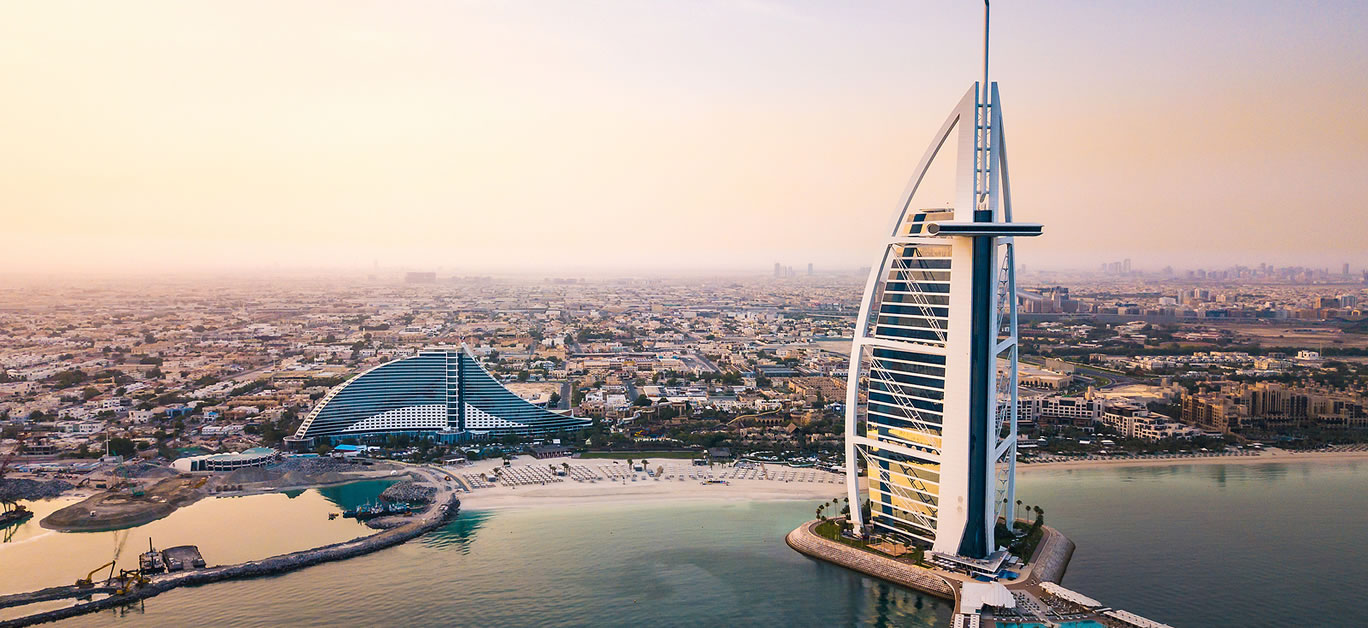
Strategic Geographic Location
Dubai is strategically located at the crossroads of Asia, Europe, and Africa, making it a key global trade gateway for businesses and investors. This unique position has established Dubai as one of the world’s leading commercial and financial hubs.
Economic Diversification and Reduced Dependence on Oil
While oil played a crucial role in Dubai’s initial economic growth, the city has intelligently reduced its reliance on oil and embraced economic diversification. Today, Dubai has expanded into tourism, finance, transportation, real estate, and digital commerce, ensuring sustainable economic growth.
Modern Infrastructure
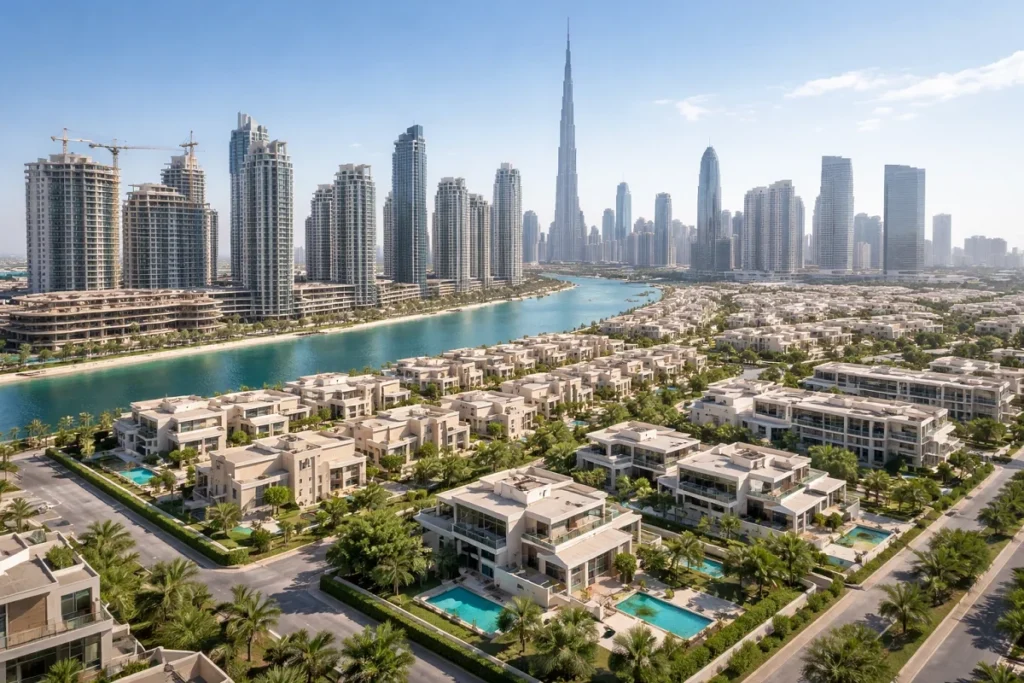
Dubai has made significant investments in construction and infrastructure development. The city’s state-of-the-art ports, high-capacity international airport, efficient public transportation networks, and iconic landmarks such as the Burj Khalifa have attracted both investors and tourists, reinforcing Dubai’s global appeal.
Smart Governance and Development Programs
The Dubai government has played a crucial role in the city’s economic success. Pro-business policies, open-market strategies, and facilitated investment regulations have made Dubai an attractive destination for global investors. Additionally, Dubai is at the forefront of innovation and emerging technologies, further strengthening its position as a forward-thinking economic hub.
Global Branding
Dubai has successfully positioned itself as a top global tourist destination by developing unique attractions such as Burj Khalifa, Palm Jumeirah, and world-class shopping malls. Hosting major international events has further enhanced Dubai’s global reputation, making it a preferred destination for both tourism and business.
Attractive Tax and Legal Policies
Dubai’s business-friendly tax policies, including zero personal income tax and low corporate tax rates, have attracted many international companies. Additionally, foreign ownership and labor laws have been designed to create an investor-friendly environment, making Dubai a global business and financial hub.
Skilled and International Workforce
Dubai has become a thriving business center by attracting highly skilled professionals from around the world. The government’s policies to facilitate expatriate employment and immigration have contributed significantly to Dubai’s economic growth and success.
Final Thoughts
Dubai’s remarkable economic success is the result of strategic planning, substantial investments, and a forward-thinking vision. By leveraging business-friendly tax policies, an international workforce, global branding, and world-class infrastructure, Dubai has successfully transitioned away from oil dependency and built an economy based on foreign investment and tourism.
Today, Dubai stands as a model of sustainable development, innovation, and economic diversification, serving as an inspiration for developing nations worldwide.